
Logistics systems are crucial in making the movement of goods by manufacturers to the consumers efficient. Logistics has become a critical part of supply chain management in contemporary economies and it links production hubs and warehouses with transport systems and distribution hubs.
A logistics system entails a number of activities such as transportation, inventory control, packaging, storage and delivery. These activities are interdependent with each other to make sure that the products are in the right place and on the right time.
One of the most apparent aspects of logistics is transportation. Different modes of transportation of goods used include the use of trucks, trains, ships and airplanes based on factors like distance, urgency and cost. All the methods of transportation have their pros and are selected according to the needs of the supply chain.
Another important aspect of the logistics system is warehousing. The goods are stored temporarily in warehouses and then distributed to the retailers or customers. Effective warehouse management facilitates availability of products at minimal cost of storage.
The process of inventory management is related closely to the process of logistics. Companies should be keen in keeping track of the inventory to know whether products are at the right time when required and not stored at the expense of being overstocked. Good inventory management covers waste management and enhances operational efficiency.
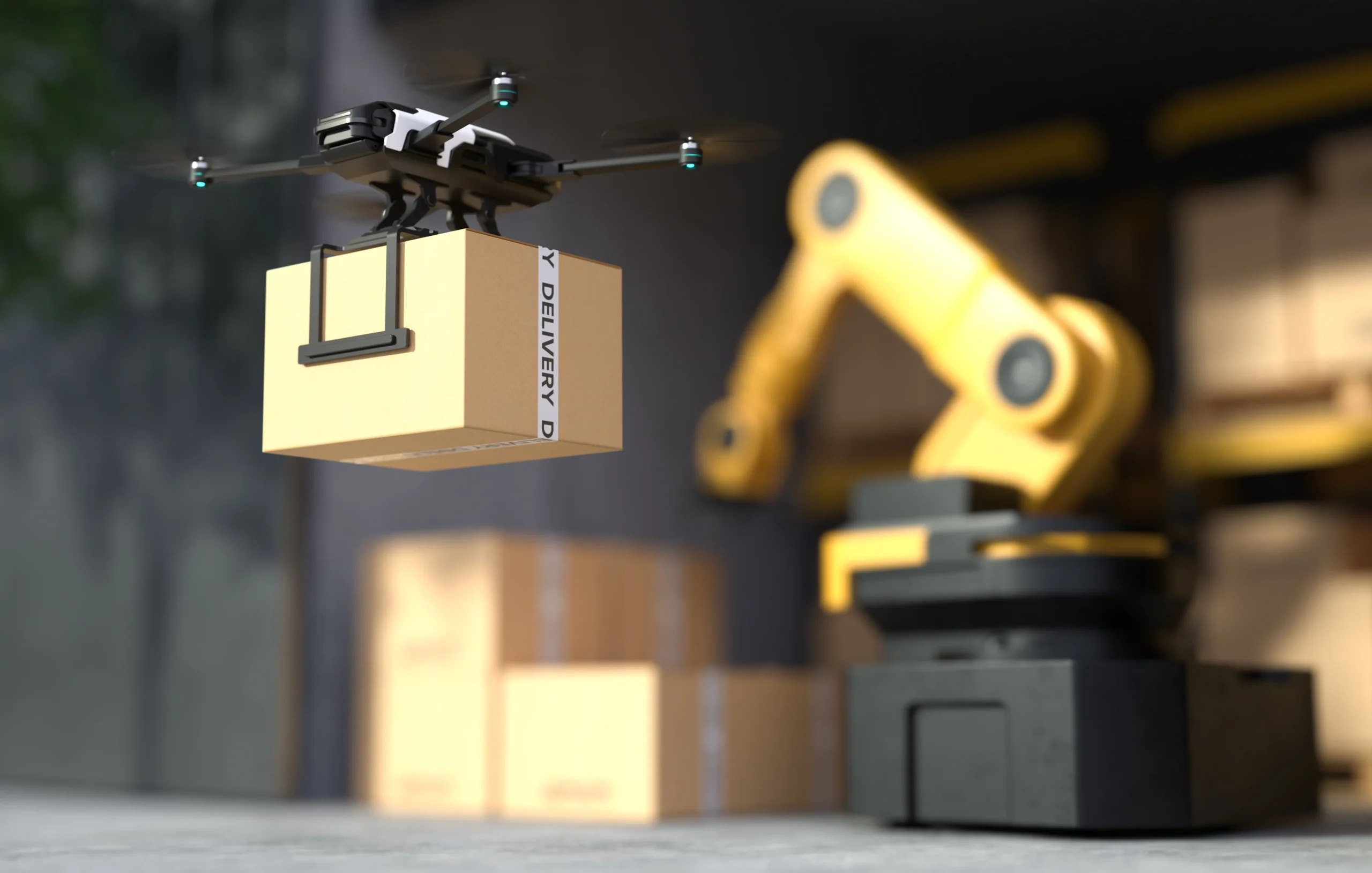
Contemporary logistics system is dependent on technology. Tracking technology, robotized warehouse devices, and data analytics are used to enable companies to track the shipments and optimize routes to deliveries.
Development of logistics has been shaped by customer expectations. Nowadays, consumers tend to require quicker delivery time and real-time shipment tracking. Logistics firms will thus be forced to embrace new and high-quality technologies and strategies to address these expectations.
In general, the current logistics systems are multi-layered networks that demand coordination, planning, and technology. When properly used, they assist in smooth running of the businesses in addition to aiding international trade and economic development.